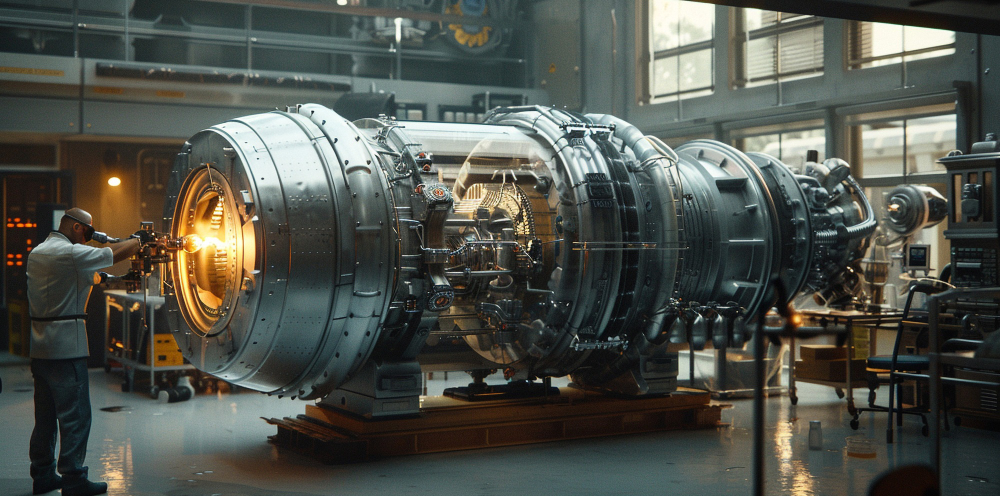
Industrial machinery forms the backbone of modern economies. From construction sites and manufacturing plants to agricultural operations and mining facilities, machinery enables businesses to increase productivity, improve efficiency, and support economic development. In Iran, the industrial machinery sector has become increasingly important as industries seek to modernize operations and meet the demands of a changing marketplace.
As one of the largest economies in the Middle East, Iran possesses significant industrial potential. The country’s strategic location, abundant natural resources, and experienced workforce create favorable conditions for industrial growth. At the same time, businesses operating in this sector face a number of challenges that require careful planning and expert consultation.
The Importance of Industrial Machinery
Industrial equipment plays a critical role in almost every productive sector of the economy. Reliable machinery contributes to:
- Increased production capacity
- Improved operational efficiency
- Enhanced product quality
- Reduced labor intensity
- Greater workplace safety
- Long-term cost savings
As competition intensifies across industries, businesses are increasingly recognizing the importance of investing in modern and efficient equipment.
Key Industries Driving Demand
Several sectors contribute significantly to the demand for industrial machinery in Iran.
Construction and Infrastructure
Iran continues to invest in infrastructure projects, including roads, residential developments, commercial buildings, and transportation systems. These projects require a wide range of machinery, such as:
- Excavators
- Bulldozers
- Road rollers
- Concrete mixers
- Cranes
- Asphalt equipment
Construction companies often seek durable equipment capable of operating under demanding conditions.
Manufacturing
The manufacturing sector remains an important component of Iran’s economy. Factories involved in food processing, textiles, packaging, and consumer goods rely on machinery to maintain productivity and product consistency.
Examples include:
- Packaging machines
- Conveyor systems
- Industrial mixers
- Automated production lines
- Material handling equipment
The adoption of modern technologies can help manufacturers reduce waste and improve competitiveness.
Agriculture
Mechanization has transformed agricultural production worldwide, and Iran is no exception.
Farmers increasingly utilize machinery such as:
- Tractors
- Harvesters
- Irrigation systems
- Seeders
- Fertilizer spreaders
Agricultural equipment improves efficiency while helping address labor shortages and productivity challenges.
Mining
Iran possesses substantial mineral resources, creating ongoing demand for specialized mining equipment.
Common machinery used in this sector includes:
- Drilling equipment
- Loaders
- Crushers
- Haul trucks
- Screening systems
Reliable machinery is essential to ensure both productivity and safety within mining operations.
Opportunities in the Iranian Market
Despite economic fluctuations, Iran’s industrial sector presents several attractive opportunities.
Equipment Modernization
Many businesses seek to replace outdated machinery with more efficient alternatives. Modern equipment often offers:
- Lower operating costs
- Improved energy efficiency
- Enhanced automation
- Reduced maintenance requirements
Companies capable of supplying innovative solutions are well positioned to meet this growing demand.
Technical Consultation Services
Purchasing industrial equipment involves significant financial investment. Businesses increasingly value professional guidance when selecting machinery that aligns with their operational goals.
Consultation services may include:
- Equipment assessment
- Supplier evaluation
- Capacity planning
- Cost-benefit analysis
- Maintenance recommendations
Providing expert advice can strengthen client relationships and reduce purchasing risks.
After-Sales Support
Industrial buyers prioritize suppliers that offer ongoing support beyond the initial sale.
Services such as installation assistance, operator training, spare parts availability, and maintenance programs contribute significantly to customer satisfaction and long-term business success.
Challenges Facing the Industry
While opportunities exist, businesses must also navigate several challenges.
Access to Advanced Technologies
Rapid technological advancement has transformed industrial operations worldwide. Keeping pace with emerging technologies requires ongoing investment and strategic partnerships.
Businesses should continuously evaluate innovations that can improve productivity and operational performance.
Maintenance and Spare Parts
Equipment downtime can have serious financial consequences.
Organizations should ensure that spare parts and technical support are readily available before committing to major purchases. Preventive maintenance programs can also extend equipment lifespan and reduce unexpected disruptions.
Investment Costs
Industrial machinery often requires substantial capital investment.
Companies should carefully assess:
- Initial acquisition costs
- Operating expenses
- Maintenance requirements
- Expected return on investment
Making informed purchasing decisions helps maximize long-term value.
Workforce Training
Modern machinery frequently incorporates sophisticated technologies and automated systems.
Employees must receive appropriate training to operate equipment safely and efficiently. Investing in workforce development contributes directly to productivity and equipment longevity.
Choosing the Right Industrial Equipment
Selecting machinery should involve more than comparing prices.
Businesses should evaluate several factors, including:
Operational Requirements
Equipment specifications should align with actual production needs.
Questions to consider include:
- What production capacity is required?
- How frequently will the equipment be used?
- What environmental conditions will it operate under?
Quality and Reliability
High-quality machinery often provides better long-term value through reduced maintenance costs and improved performance.
Supplier reputation and product track records should be considered during the selection process.
Energy Efficiency
Energy-efficient equipment can significantly lower operating expenses over time.
Businesses should examine total lifecycle costs rather than focusing exclusively on purchase price.
Supplier Expertise
Experienced suppliers can provide valuable insights throughout the purchasing process.
Working with knowledgeable partners helps organizations identify solutions that best support their strategic objectives.
The Role of Trading and Distribution Companies
Trading companies serve as important links between manufacturers and end users.
Their contributions often include:
- Identifying reputable suppliers
- Coordinating procurement processes
- Facilitating import and distribution activities
- Providing technical consultation
- Supporting logistics and delivery operations
Through these services, trading companies help simplify complex purchasing decisions and improve market accessibility.
Looking Toward the Future
The future of Iran’s industrial machinery sector will likely be shaped by technological innovation, increasing efficiency requirements, and the need for sustainable growth.
Businesses that embrace modernization and prioritize strategic planning will be better positioned to succeed in an increasingly competitive environment.
Investment in reliable equipment, workforce development, and professional consultation can create lasting advantages while supporting broader industrial progress.
Conclusion
Industrial machinery plays a fundamental role in driving economic activity across Iran’s construction, manufacturing, agricultural, and mining sectors. While challenges such as investment costs and technological adaptation remain, significant opportunities continue to emerge for businesses prepared to innovate and evolve.
For companies involved in industrial trade, distribution, and consultation, understanding market needs and delivering dependable solutions will be essential to long-term success. By focusing on quality, expertise, and customer support, industry stakeholders can contribute meaningfully to Iran’s ongoing industrial development.